The Pyramids of Giza are located on the Giza Plateau, just outside Cairo, Egypt. They were built by ancient Egyptian pharaohs Khufu, Khafre, and Menkaure between approximately 2600–2500 BCE. The site includes the Great Pyramid, the Sphinx, and several smaller pyramids and temples. The best time to visit is early morning, and guided tours are highly recommended.
The Pyramids of Giza are arguably the most recognised structures on Earth. They have stood for over 4,500 years, survived empires, invasions, and the slow erosion of time, and they still manage to leave every visitor speechless. No photograph, film, or description fully prepares you for the moment you see them in person.
This complete guide covers everything you need to know before visiting the Pyramids of Giza, from their history and construction to what you will find inside them, practical tips, and how to plan the perfect trip.
What Are the Pyramids of Giza?
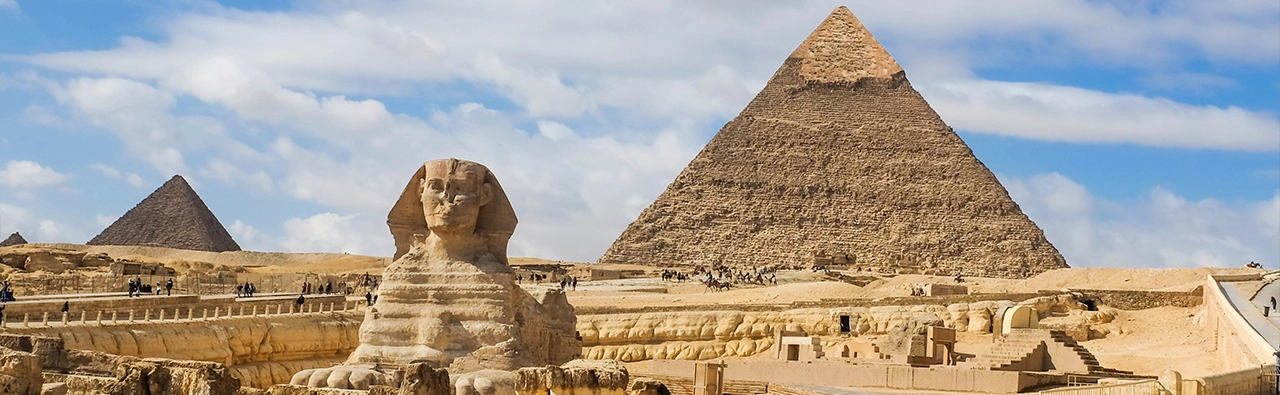
The Pyramids of Giza are a complex of ancient monuments located on the Giza Plateau on the western outskirts of Cairo, Egypt. The complex consists of three main pyramids, several smaller satellite pyramids, the Great Sphinx, workers’ villages, and ancient temples.
The three pyramids are:
- The Great Pyramid of Giza: Built for Pharaoh Khufu (also known as Cheops), this is the largest and oldest of the three, and the only surviving structure of the original Seven Wonders of the Ancient World.
- The Pyramid of Khafre: Built for Pharaoh Khafre, Khufu’s son. It appears taller than the Great Pyramid due to its elevated position, but is actually slightly smaller.
- The Pyramid of Menkaure: The smallest of the three main pyramids, built for Pharaoh Menkaure.
Also part of the complex is the Great Sphinx of Giza, a massive limestone statue with the body of a lion and the face of a human (believed to represent Pharaoh Khafre) guarding the plateau.
Who Built the Pyramids of Giza?
Who built the Pyramids of Giza? This is one of the most frequently asked questions in all of archaeology, and the answer is far more fascinating than many myths suggest.
The pyramids were built by the ancient Egyptians themselves, not by slaves as was once popularly believed. Modern archaeological evidence, including workers’ villages discovered near the plateau, reveals that the builders were skilled labourers, paid workers who ate well, received medical care, and were buried with honour near the pyramids they built.
- The Great Pyramid of Giza was commissioned by Pharaoh Khufu (c. 2589–2566 BCE) during the Fourth Dynasty of the Old Kingdom.
- The Pyramid of Khafre was built by Pharaoh Khafre (c. 2558–2532 BCE), Khufu’s son and successor.
- The Pyramid of Menkaure was constructed for Pharaoh Menkaure (c. 2532–2503 BCE).
The Great Pyramid of Giza alone required approximately 2.3 million stone blocks, each weighing between 2.5 and 15 tonnes, assembled over an estimated 20 years. How exactly the ancient Egyptians transported and stacked these blocks with such precision without modern machinery remains one of history’s most compelling engineering mysteries. Current leading theories involve internal ramps, sledges, water lubrication, and highly organised labour systems.
Inside the Pyramid of Giza — What to Expect
One of the most memorable experiences at the site is going inside the Pyramid of Giza. Not all pyramids are open to the public, but visitors can typically enter the Great Pyramid of Khufu, the Pyramid of Khafre, and the Pyramid of Menkaure on a rotating basis.
Inside the Great Pyramid, you will find:
- The Grand Gallery: A soaring 47-metre-long ascending corridor with corbelled walls, leading up to the main chamber. It is architecturally extraordinary and nothing like you would expect from the outside.
- The King’s Chamber: The burial chamber of Khufu, containing a large granite sarcophagus. The walls are bare red Aswan granite, no decorations, no hieroglyphics which only makes the space feel more ancient and mysterious.
- The Queen’s Chamber: A smaller chamber beneath the King’s Chamber, the purpose of which is still debated by Egyptologists.
- Ventilation shafts: Narrow channels that point toward specific constellations in the night sky, suggesting the pyramid served astronomical and ritual functions beyond just burial.
Important practical note: The interior passages are narrow, low-ceilinged, warm, and steep. Entry requires separate tickets, often sold in limited numbers each day. Book your entry tickets in advance, especially during peak travel season.
The Great Pyramid of Giza — Key Facts
| Feature | Detail |
| Original height | 146.6 metres (now 138.8 m due to erosion) |
| Base length | 230.4 metres per side |
| Estimated weight | ~6 million tonnes |
| Estimated construction time | ~20 years |
| Number of stone blocks | ~2.3 million |
| Builder | Pharaoh Khufu, 4th Dynasty |
| Age | Approximately 4,500 years old |
The Great Pyramid of Giza held the record for the tallest man-made structure in the world for over 3,800 years, until the construction of Lincoln Cathedral in England in 1311 CE.
Visiting the Pyramids of Giza — Practical Guide
Getting There
The Giza Plateau is located about 25–30 kilometres from central Cairo. Taxis, ride-hailing apps (Uber operates in Cairo), and private transfers are all viable options. If you are on a guided tour such as the Discover Cairo Only package offered by FlyDunya, transportation to and from the pyramids is fully included, which saves a lot of logistical stress.
Best Time to Visit
- Early morning (8–10 AM): Fewer crowds, cooler temperatures, and the best light for photography.
- Late afternoon: Beautiful golden hour light, especially on the Sphinx.
- Avoid midday in summer (June–August): Temperatures on the exposed plateau can exceed 40°C.
The best overall season for visiting is October through April, when the weather is mild and pleasant.
How Much Time Do You Need?
Allow 3–5 hours for a thorough visit walking the plateau, visiting the Sphinx, and entering one of the pyramids. A full day is even better if you plan to visit the Grand Egyptian Museum (located just minutes away) on the same trip.
Tickets and Entry
- There are separate entrance fees for the plateau, individual pyramids, and the Solar Boat Museum.
- Entrance fees are subject to change, always check current pricing on the official Egyptian government tourism website or through your tour operator.
- Photography is permitted on the plateau but may be restricted inside the pyramids.
What to Wear and Bring
- Comfortable, closed-toe walking shoes the ground is uneven and sandy.
- A hat, sunscreen, and sunglasses there is very little shade on the plateau.
- A light layer for entering the pyramids, which can feel stuffy.
- Sufficient water vendors sell bottled water on site, but at premium prices.
Camel and Horse Rides
Local operators offer camel and horse rides around the plateau. If you choose to take one, negotiate the price firmly before you get on, and clarify the duration of the ride and return point.
The Sphinx — Guardian of the Plateau
No visit to the Pyramids of Giza is complete without standing before the Great Sphinx. Carved directly from the limestone bedrock of the plateau, this enormous statue measures 73 metres long and 20 metres tall. The nose was famously damaged over the centuries, historical accounts suggest it was removed by a 14th-century religious figure, though some legends have incorrectly attributed it to Napoleon’s soldiers.
The Sphinx faces due east, toward the rising sun, symbolising renewal and resurrection in ancient Egyptian belief.
The Grand Egyptian Museum — The Perfect Companion Stop
Just a few minutes from the Giza Plateau, the Grand Egyptian Museum (GEM) is an essential addition to your pyramid visit. This world-class institution houses artefacts from the same civilisation that built the pyramids, allowing you to understand the context, art, and everyday life of ancient Egypt far more deeply. The complete Grand Egyptian Museum tour pairs beautifully with the Giza experience and is included in FlyDunya’s Cairo itinerary
How to Visit the Pyramids — Guided vs. Independent
| Guided Tour | Independent Visit | |
| Convenience | Very high | Moderate |
| Context and learning | Excellent (expert guide) | Limited unless you research deeply |
| Logistics (transport, tickets) | All handled | Self-managed |
| Risk of scams or hassle | Low | Higher (touts are persistent on-site) |
| Cost | Package price | Variable |
For most travellers, especially first-time visitors to Egypt, a guided tour is the far better choice. The Giza Plateau is large, and without guidance, it is easy to feel overwhelmed. Touts and unofficial guides can be persistent and difficult to navigate.
FlyDunya’s Discover Cairo Only package includes the Pyramids of Giza and the Sphinx as a full guided day on Day 2 of the itinerary, with lunch included, starting from CAD 700 per person. Accommodation options include the Barcelo Pyramids hotel, which gives you a direct view of the pyramids from your window as well as the Fairmont Nile City and Hilton Zamalek for those who prefer a central city location.
Frequently Asked Questions
Q1: Who built the Pyramids of Giza and when?
The Pyramids of Giza were built by ancient Egyptian pharaohs around 2600–2500 BCE. The three main pyramids were constructed for Pharaohs Khufu, Khafre, and Menkaure during Egypt’s Fourth Dynasty.
Q2: Can you go inside the Pyramids of Giza?
Yes, visitors can enter selected pyramids at Giza with a separate ticket. The Great Pyramid allows access to interior chambers, although entry is limited and advance booking is recommended.
Q3: How long does a visit to the Pyramids of Giza take?
A visit to the Pyramids of Giza typically takes 3 to 5 hours. Visitors who also plan to explore the Grand Egyptian Museum should allow a full day.
Q4: What is the best time of day to visit the Pyramids of Giza?
Early morning is the best time to visit the Pyramids of Giza. Cooler temperatures, smaller crowds, and better lighting conditions make it ideal for sightseeing and photography.
Q5: Is it better to visit the Pyramids of Giza independently or on a guided tour?
A guided tour is often the best option for first-time visitors. It provides historical insights, transportation support, and a more organized experience at one of Egypt’s most famous attractions.
Final Thoughts
The Pyramids of Giza are not just tourist attractions. They are a testament to human ambition, engineering genius, and spiritual vision at a scale that still defies easy explanation. Whether you go inside the Pyramid of Giza, walk the plateau at sunrise, or simply stand before the Sphinx as the wind blows across the desert, you will carry this place with you long after you leave.
If you are planning a trip and want a seamless, fully guided experience, FlyDunya‘s Discover Cairo Only package is one of the most thoughtfully designed ways to see the Pyramids and all of Cairo’s greatest landmarks, with accommodation, meals, transportation, and expert guidance all taken care of.
Explore the full Discover Cairo Only itinerary at FlyDunya.com and start planning your journey to one of the wonders of the world.