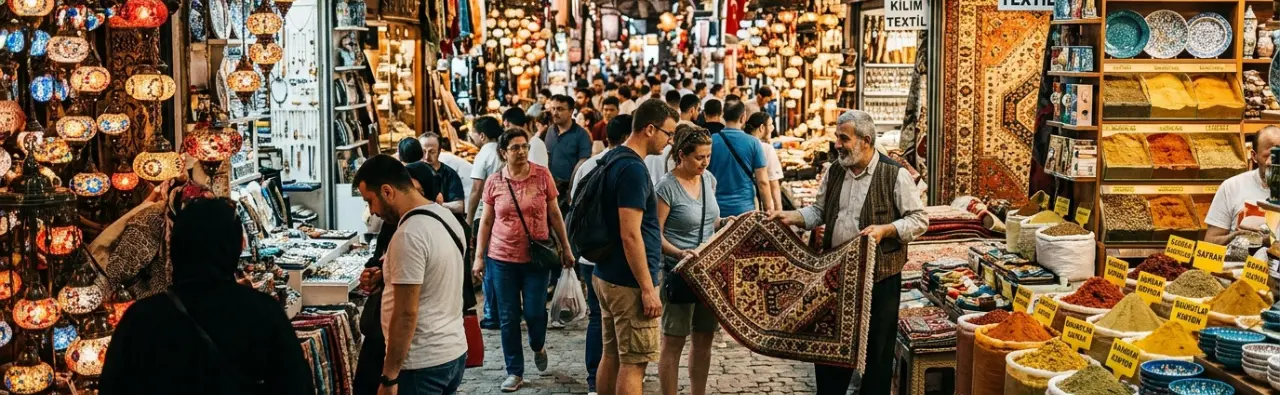
The best time to visit Istanbul’s markets is during spring (April–May) or fall (September–November), when the weather is comfortable and crowds are lighter than peak summer. Avoid Sundays if the Grand Bazaar is your priority, since it’s closed that day, and check the calendar for public holidays, which close several major markets at once. If you’re visiting during Ramadan, expect shifted hours and a livelier evening atmosphere as shops stay open later after Iftar.
Most guides tell you what time of day to shop. Fewer tell you what time of year and that decision affects everything from crowd size to which markets are even open. Here’s the seasonal breakdown that actually shapes your trip.
Best Season for Istanbul Market Shopping
Spring and fall offer the best combination of mild weather and manageable crowds, while summer brings the busiest markets and winter offers the quietest, most budget-friendly shopping with some trade-offs.
- Spring (April–May): Comfortable temperatures, blooming city, and noticeably fewer tourists than summer ideal for slower, unhurried market browsing
- Summer (June–August): Peak tourist season, longer daylight hours, but also the most crowded bazaars and highest accommodation prices
- Fall (September–November): Similar advantages to spring, with the added bonus of harvest-season produce at local markets
- Winter (December–March): The quietest season by far, with better bargaining leverage and shorter queues, though some open-air stalls scale back and weather can be unpredictable
If your main goal is a relaxed shopping experience without fighting crowds at the Grand Bazaar or Spice Bazaar, shoulder season (spring or fall) is generally the sweet spot.
Are Istanbul’s Markets Open During Ramadan?
Yes, Istanbul’s markets stay open during Ramadan, though hours often shift, some shops open later in the morning and stay open well into the evening after Iftar (the fast-breaking meal), when the city’s shopping districts take on a noticeably livelier atmosphere.
Ramadan dates shift each year based on the lunar calendar, so it’s worth checking the exact dates against your travel plans. Daytime foot traffic can be lighter in the historic districts, while evenings after sunset tend to be busier as locals shop and socialize post-Iftar. It’s a genuinely interesting time to experience Istanbul’s markets. Just be mindful that some vendors may have reduced hours during the day.
Which Days Should You Avoid?
Avoid Sundays if you specifically want to shop at the Grand Bazaar, since it closes that day, and check for Turkish public holidays before your visit, since several major markets close simultaneously on those dates.
This is one of the most overlooked planning details. According to our guide on the best markets to visit in Istanbul, the Grand Bazaar’s closure days catch a lot of first-time visitors off guard, especially those building a tight one-day itinerary around it.
Here’s what typically happens on closure days:
- Sundays: The Grand Bazaar is closed
- Public holidays: The Grand Bazaar closes, and even the Spice Bazaar is often closed on the same dates
- Tuesdays: Topkapi Palace is closed (a separate closure to be aware of if you’re combining markets with palace visits)
If you’re booking a private guided tour, this is where a professional itinerary genuinely pays off. FlyDunya’s private Istanbul tours are built with these closures in mind, if your visit falls on a Tuesday, your guide substitutes Topkapi Palace with the Underground Cistern; if it’s a Sunday, the Grand Bazaar is swapped for the Spice Market; and on public holidays, when both the Grand Bazaar and Spice Market are closed, the Arasta Bazaar becomes the alternative stop. You still get a full, market-rich day regardless of which day you land on.
Peak Tourist Season vs Off-Season: What Changes
Peak season (June–August) means livelier markets but tighter browsing space and higher prices, while off-season (November–March) means thinner crowds, more room to negotiate, but occasionally reduced vendor hours.
If bargaining is a priority for you, off-season generally works in your favor. Vendors have more time per customer and are often more open to negotiation when foot traffic is lighter. Peak summer, by contrast, means vendors are busier and have less incentive to negotiate hard on any single sale.
Final Thoughts: Timing Your Istanbul Shopping Trip
Choose your season based on your priority spring or fall for the best overall balance, summer if your travel dates are fixed around a family holiday, and winter if budget and quiet browsing matter most then double-check the weekly and holiday closures before finalizing your itinerary.
Once your season is set, the day-to-day timing becomes much easier to plan around. If you want the specific vendor recommendations for each of Istanbul’s major bazaars once you’re there, our guide to the best markets to visit in Istanbul breaks that down in detail. And if you’re only in the city for a single day and want the full sightseeing-plus-shopping route mapped out, see what to do if you only have one day in Istanbul.
Whatever your travel dates, FlyDunya’s private Istanbul tours are designed to adjust automatically around market and palace closures, so your day stays full no matter which day of the week you land on.
Frequently Asked Questions
What is the best month to visit Istanbul for shopping?
April, May, September, and October offer the best balance of comfortable weather and smaller crowds for market shopping.
Are Istanbul’s markets open during Ramadan?
Yes, though hours often shift except livelier evenings after Iftar and potentially reduced daytime hours at some shops.
Is the Grand Bazaar closed on public holidays?
Yes, the Grand Bazaar closes on public holidays, and the Spice Bazaar is often closed on the same dates as well.
Is it better to shop in Istanbul during peak season or off-season?
Off-season (winter) generally offers more room to negotiate and smaller crowds, while peak season (summer) offers longer hours and a livelier atmosphere but higher prices and busier markets.
What happens if the Grand Bazaar is closed during my visit?
On Sundays, it’s typically replaced with a Spice Market visit; on public holidays, when both are closed, the Arasta Bazaar serves as the alternative, something a private guided tour will usually plan around automatically.
Is Istanbul more expensive to shop in during summer?
Prices at markets themselves don’t change drastically by season, but accommodation and overall travel costs are typically higher during peak summer months.