Cairo is best for Islamic history, ancient Egyptian museums, and the Pyramids of Giza. Luxor is best for temple complexes, royal tombs, and the Valley of the Kings. If your time and budget allow, visiting both together gives you the most complete Egypt experience, and it is entirely doable in 6 days.
Egypt is one of those rare destinations where choosing what to see is genuinely difficult not because the options are disappointing, but because so many of them are extraordinary. Two cities sit at the top of almost every Egypt itinerary: Cairo and Luxor. Both are historically staggering. Both are unlike anywhere else on Earth. But they offer very different experiences, and understanding that difference will help you plan a trip that truly fits what you are looking for.
So, Cairo or Luxor? Let’s break it down properly.
Cairo — Ancient, Islamic, and Endlessly Layered
Cairo is Egypt’s capital and its most complex city. It is home to over 20 million people, a skyline dotted with minarets, a Nile running through its heart, and more historical layers than almost any other city in the world.
What Cairo Does Best
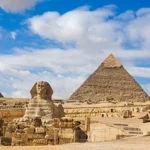
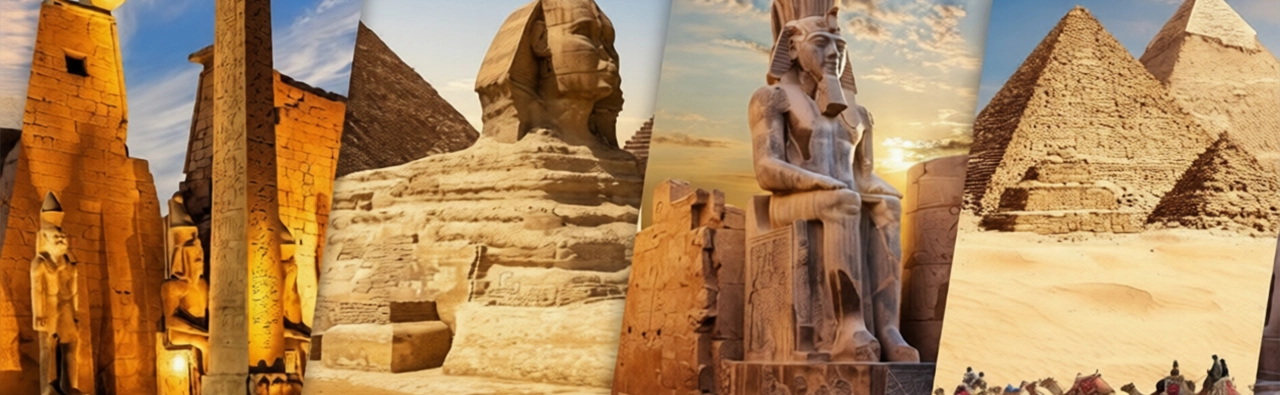
The Pyramids of Giza and the Sphinx are the obvious headline. Nothing prepares you for the moment you see them in person their scale, their age, their sheer physical presence on the plateau. This is the only surviving Wonder of the Ancient World, and it lives in Cairo’s backyard.
The Grand Egyptian Museum is the world’s largest archaeological museum, housing over 100,000 artefacts including the complete treasures of Tutankhamun. A single visit here could easily take half a day.
Islamic Cairo, the Saladin Citadel, the Mohamed Ali Mosque, and the medieval streets of Al-Muizz represent one of the finest concentrations of Islamic architecture anywhere on the planet.
Old Cairo and Coptic heritage, the Ben Ezra Synagogue, the Hanging Church, the ancient Roman towers of Babylon add yet another civilisational layer to the city.
Khan El Khalili Bazaar is the living, breathing, spice-scented medieval marketplace where Cairo has been doing business for 700 years.
Cairo is not a city you understand quickly. It rewards slow exploration, and it has enough to fill at least 3–4 full days comfortably.
Luxor — The World’s Greatest Open-Air Museum
If Cairo is Egypt’s living city, Luxor is Egypt’s ancient soul. Located about 670 kilometres south of Cairo along the Nile, Luxor was once Thebes, the glittering capital of the New Kingdom pharaohs, the most powerful empire of the ancient world.
Today, Luxor is often described as the world’s greatest open-air museum, and the description is not an exaggeration.
What Luxor Does Best
The Valley of the Kings is where the pharaohs of the New Kingdom were buried in secret rock-cut tombs carved deep into the limestone cliffs of the West Bank. Over 60 tombs have been discovered here, including the famous tomb of Tutankhamun. The scale of the painted chambers, the detail of the hieroglyphic narratives, and the sheer atmosphere of the place are unlike anything in Cairo.
The Valley of the Queens contains the tombs of royal wives and princes, including the spectacularly preserved tomb of Queen Nefertari, considered by many Egyptologists to be the most beautifully decorated tomb in all of Egypt.
Hatshepsut Temple (Deir el-Bahari) is a breathtaking mortuary temple carved into the base of a towering limestone cliff. Built for Pharaoh Hatshepsut, one of ancient Egypt’s few female pharaohs, it is architecturally unique and visually stunning, especially in early morning light.
Karnak Temple Complex is the largest ancient religious site in the world. Walking through its towering hypostyle hall 134 massive columns, some over 20 metres tall, covered in intricate carvings is a genuinely overwhelming experience.
Luxor Temple sits dramatically in the heart of the modern city, lit beautifully at night, and is one of the most atmospheric ancient sites in Egypt.
Colossi of Memnon two enormous seated statues of Pharaoh Amenhotep III, stand guard over the West Bank floodplain and make for a striking roadside monument en route to the Valley of the Kings.
Aswan — The Natural Gateway to Luxor
Many Luxor itineraries also include a stop in Aswan, Egypt’s southernmost major city. Aswan is where you will find the High Dam, the Unfinished Obelisk (a fascinating glimpse into ancient Egyptian construction techniques), and the stunning Philae Temple, an island temple dedicated to the goddess Isis, relocated stone by stone to save it from rising Nile waters after the dam was built.
The journey from Aswan to Luxor by road passes through some of Egypt’s most beautiful Nile Valley scenery.
Cairo vs Luxor — A Side-by-Side Comparison
| Cairo | Luxor | |
| Historical era | Pharaonic, Islamic, Coptic, Modern | Primarily New Kingdom Pharaonic |
| Main sites | Pyramids, Grand Egyptian Museum, Citadel, Old Cairo, Khan El Khalili | Valley of the Kings, Karnak, Luxor Temple, Hatshepsut Temple |
| City atmosphere | Huge, chaotic, cosmopolitan, layered | Smaller, quieter, deeply historical |
| Best for | First-time Egypt visitors, diverse history lovers | Ancient Egypt enthusiasts, tomb and temple lovers |
| Recommended days | 3–4 days minimum | 2–3 days minimum |
| Pace | Fast, urban | Relaxed, immersive |
So Which One Should You Visit?
Here is the honest answer: if you can only choose one, choose Cairo, simply because it covers more ground historically and is the more complete introduction to Egypt. The Pyramids alone justify the trip.
But if your schedule allows even 6 days total, visit both. Cairo and Luxor complement each other in a way that is genuinely rare. Cairo gives you the ancient monuments and the Islamic city, Luxor gives you the tombs and temples of the New Kingdom, and together they tell the full story of one of the greatest civilisations in human history.
The good news is that getting from Cairo to Luxor is straightforward. A Cairo to Luxor flight takes roughly one hour, making the combination perfectly practical even for travellers with limited time.
How to Do Both — The 6-Day Cairo + Luxor Itinerary
FlyDunya has put together a well-structured Discover Cairo + Luxor package that covers exactly this combination in 6 days and 5 nights, starting from CAD 1,110 per person. It includes accommodation, domestic flights, transportation, guided tours, entrance fees, and meals, so nothing is left to chance.
Here is how the itinerary unfolds:
Day 1 Arrival in Cairo: Arrival at Cairo International Airport, meet and assist service, transfer to your hotel, check-in and rest.
Day 2 Giza and the Egyptian Museum: A full guided day covering the Pyramids of Giza, the Great Sphinx, and the Egyptian Museum. Lunch is included.
Day 3 Fly to Aswan, Transfer to Luxor: Check out from your Cairo hotel and transfer to Cairo’s domestic airport for your flight to Aswan. Visit the High Dam, the Unfinished Obelisk, and the beautiful Philae Temple on its Nile island. Then transfer by road to Luxor for check-in and overnight.
Day 4 Full Day in Luxor, Fly Back to Cairo: A packed, guided day covering both the West Bank (Valley of the Kings, Valley of the Queens, Hatshepsut Temple, Colossi of Memnon) and the East Bank (Karnak Temple and Luxor Temple). Evening flight back to Cairo.
Day 5 Islamic Cairo: Visit Saladin Citadel, Mohamed Ali Mosque, Old Cairo, Ben Ezra Synagogue, and Khan El Khalili Bazaar. Lunch included.
Day 6 Departure: Breakfast at the hotel, transfer to Cairo International Airport for your final departure.
It is a genuinely well-balanced itinerary, ambitious without being rushed, and covering the absolute highlights of both cities.
Where to Stay
In Cairo
- Fairmont Nile City: Luxury Nile-facing property in central Cairo, one of the city’s most prestigious addresses.
- Hilton Zamalek (Hilton Cairo Zamalek Residences) Elegant hotel on Gezira Island with a calm, residential feel and easy access to the city.
- Barcelo Pyramids: Ideal for travellers who want a direct view of the Giza Plateau from their hotel.
In Luxor
- Sonesta St. George Hotel Luxor: A well-regarded property on the East Bank of Luxor, offering comfortable rooms and convenient access to Luxor Temple and Karnak. The Sonesta St. George is one of Luxor’s most reliable mid-to-upscale options, combining good amenities with a central location.
- Steigenberger Achti Luxor: A more resort-style property with Nile views and a relaxed atmosphere, the Steigenberger Achti is particularly popular with travellers who want a touch of luxury after a long day of sightseeing in the valley.
All of these hotels are featured as accommodation options across the pricing tiers in FlyDunya’s Discover Cairo + Luxor package, with per-person pricing clearly listed for double, triple, and single occupancy.
Practical Tips for Visiting Both Cities
Getting between Cairo and Luxor: The domestic flight takes about 1 hour and is the most practical option. The Luxor International Airport (also called Luxor Airport Egypt) is well-connected to Cairo, with regular daily services. Overnight trains are also available for travellers who prefer the Nile Valley scenery, though they add travel time.
Best time to visit both cities: October to April. Luxor in particular can be extremely hot in summer; the West Bank sites are fully exposed, and temperatures regularly exceed 40°C between June and August.
Should you do Luxor before or after Cairo? Most itineraries including FlyDunya’s, do Cairo first, then Luxor. This works well because Cairo gives you the foundational context (via the Egyptian Museum and the Pyramids) that makes Luxor’s tombs and temples even more meaningful.
Do you need a guide in Luxor? Yes, more than almost anywhere else in Egypt. The Valley of the Kings alone contains over 60 tombs, and the iconography, mythology, and historical context are dense. A good guide transforms the experience from “impressive but confusing” to genuinely illuminating.
Frequently Asked Questions
Q1: Is it worth visiting both Cairo and Luxor on one trip?
Yes, visiting both Cairo and Luxor is highly recommended for first-time travelers to Egypt. Cairo offers iconic museums and historic landmarks, while Luxor is home to ancient temples, royal tombs, and some of Egypt’s most important archaeological sites.
Q2: How do you get from Cairo to Luxor?
The fastest way to travel from Cairo to Luxor is by domestic flight, which takes about one hour. Travelers can also take an overnight sleeper train, which offers a scenic journey through the Nile Valley.
Q3: How many days do you need in Luxor?
Two to three days is ideal for exploring Luxor. This gives visitors enough time to see major attractions such as the Valley of the Kings, Karnak Temple, Luxor Temple, and Hatshepsut Temple.
Q4: What are the best hotels in Luxor for tourists?
The Sonesta St. George Hotel Luxor and Steigenberger Achti Luxor are among the best hotels in Luxor. Both offer comfortable accommodations, convenient access to major attractions, and views of the Nile River.
Q5: Is Luxor or Cairo better for ancient Egyptian history?
Both cities are important for understanding ancient Egyptian history. Cairo is best for museums, artefacts, and mummies, while Luxor is known for its temples, monuments, and royal tombs from ancient Egypt.
Ready to experience the best of both cities? View the full Discover Cairo + Luxor itinerary at FlyDunya.com, a 6-day package with flights, guided tours, accommodation, and meals all included.